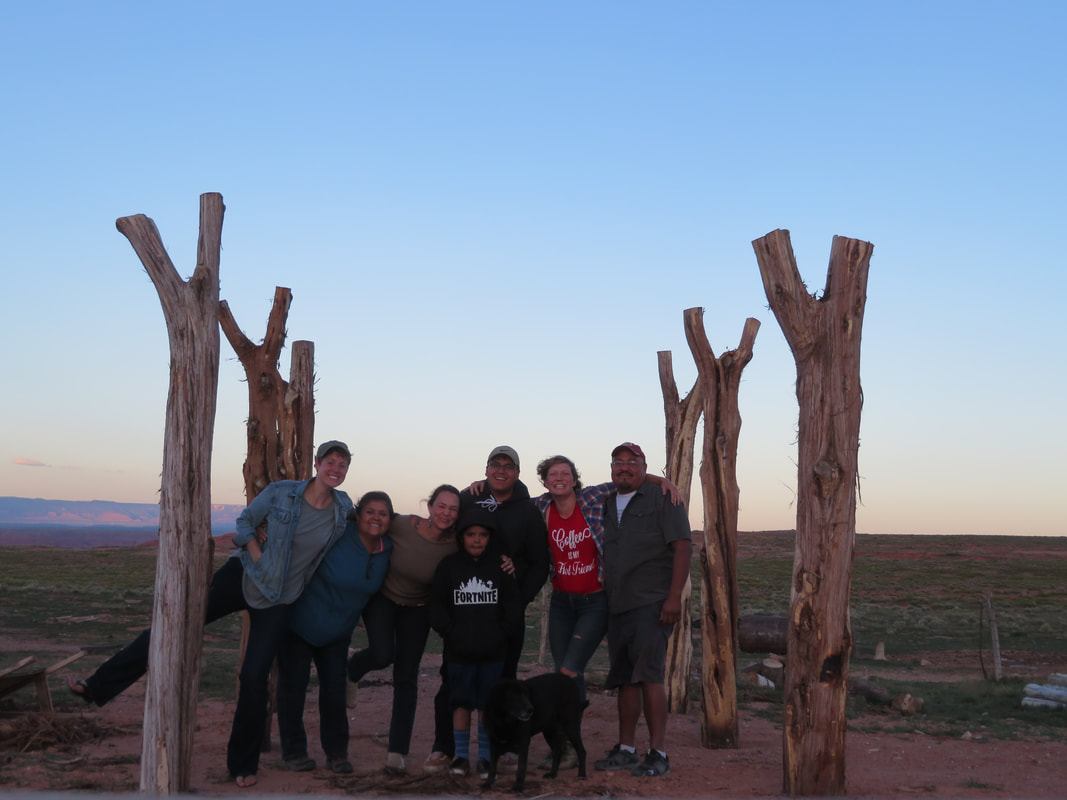
Left to right: Meredith Wilder, Candice Craig, Kristina Jacobsen, Cason Craig, Tyler Esquivel, Christy Cook, Arlondo Bia. Not pictured: Maya Bourque.
What does it mean to write songs in community? What does it mean to offer a three-day long songwriting intensive in a rural, census-designated place on the Navajo Nation? What does it mean to do this across a tremendous age-span (ages 8-45), camping together on an open mesa with no running water when reservation winds exceed 50 miles per hour, your tent poles snap, your tent rips, and two cows are in heat in the corral adjacent to where your morning writing sessions take place? What does it mean when songwriters from across the United States and the Navajo Nation gather to collaboratively write songs about a specific place, and then the individuals that have grown up in that place hear those songs, and laugh, giggle, and tear up in response to songs being offered and written only hours before?
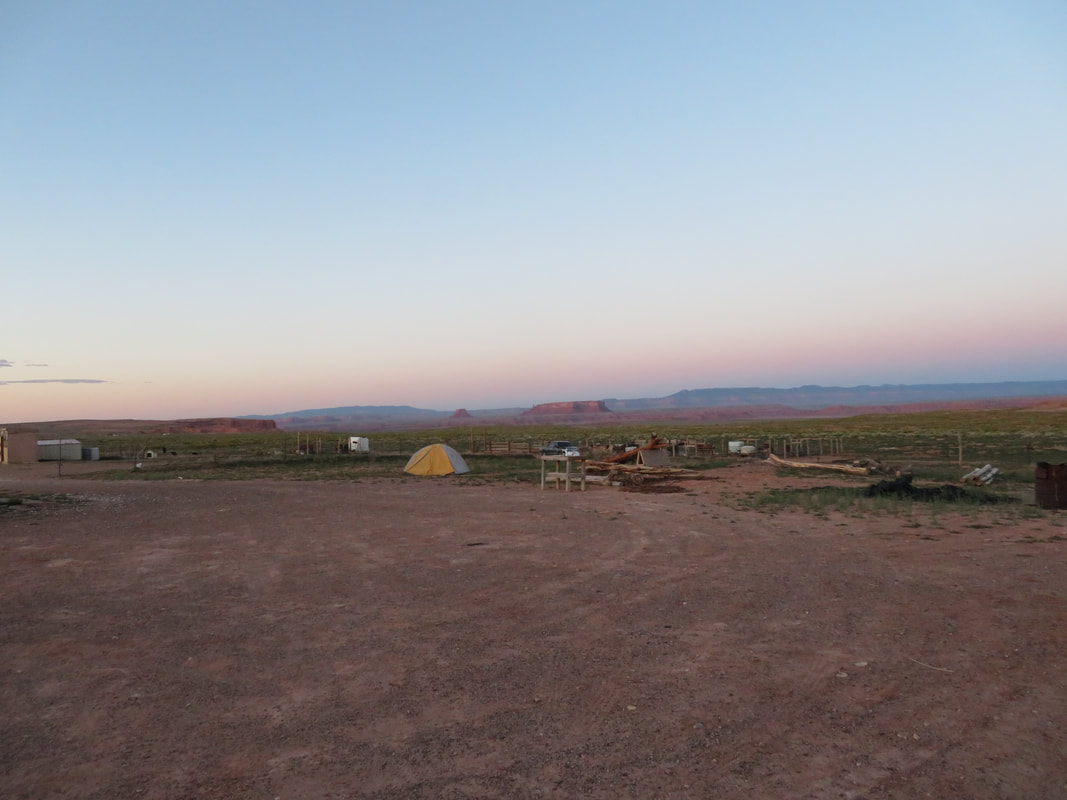
View of round rock mesa from Carson Mesa ranch with participant tent in distance.
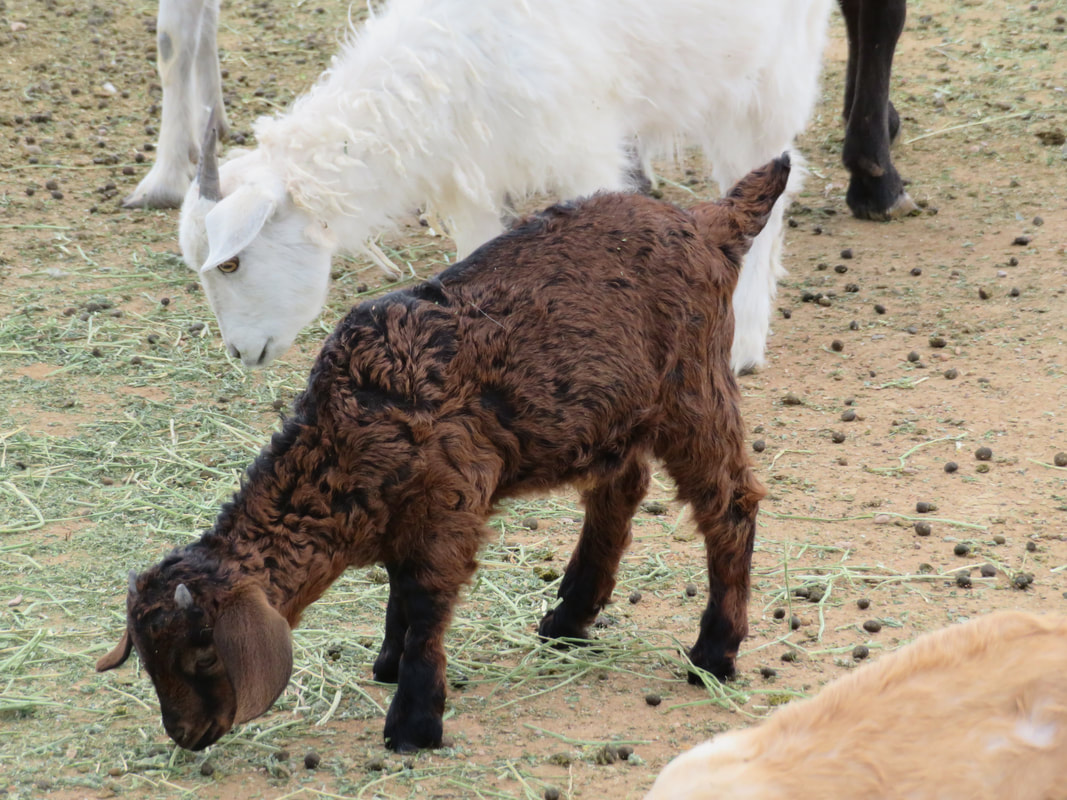
I think it means learning to accommodate, for participants and facilitators, across a vast range of ages, abilities, life experiences, food preferences, social classes, and modus operandi learned in sometimes vastly different ways and places. It means embracing the extremes on both ends of creative process that arise in settings where there is virtually no buffer between our songs and ourselves; it means incorporating the sound of the rusty hinge you heard flapping all night the night before, or the baby goat bleating in the sheep corral, or the sound of the post hole digger as you dig a hole to erect the cedar posts for a shade house (cha’a’oh), or the two bulls having a territorial dispute over a two-day period by your fenceline, directly into your songs as a means of channeling these experiences and connecting with others through both the beauty and the challenge of this place known as To Sikání (Carson Mesa), Navajo Nation. It means offering morning yoga workshops tailored to a wide range of body abilities, clothing styles and comfort levels in a hooghan with sun streaming in through an east facing door as we practice, and explaining we can all keep our faith intact and still sing along to a Hindi chant with a south Indian (Carnatic) Sruti box as our pedal point, because singing in community fosters connection, evinces joy and stimulates endorphins after a rough night’s sleep and prepares our bodies and minds for another day of intercultural cowriting. And it means, for songwriting facilitators, using a trauma-informed approach, in which self-care and choice are practiced, first and foremost.
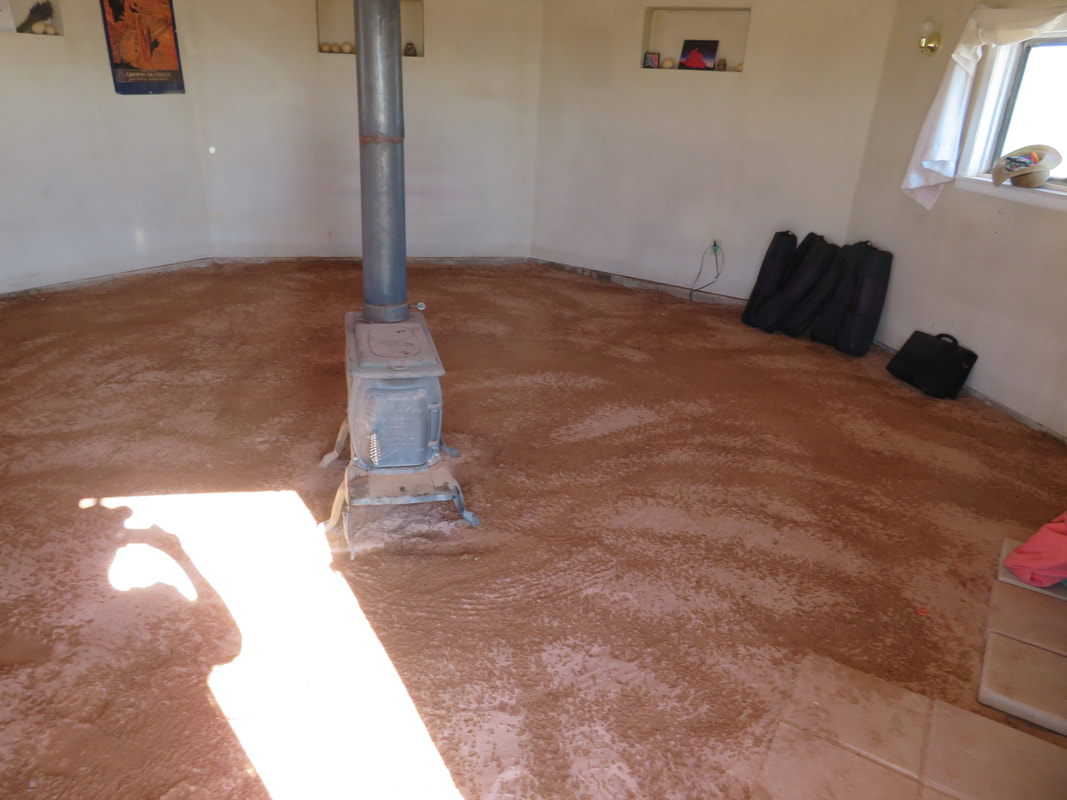
hooghan before yoga practice with morning light.
It also means showing thanks for our hospitality through assisting your site host in erecting new cedar posts for a brand-new shade house as part of yearly maintenance on a working Diné ranch, and writing a song later that afternoon that documents the high points of that experience, including the discovery of a horse’s hip-bone in one of the holes you’ve dug. And it means trying to find a balance between offering fresh, vegetarian and slow-food meals and delicious, fat-and carb-rich options such as Navajo tacos and egg, cheese and sausage casserole, because food is associated with comfort and a sense of cultural identity and home, and because comfort and solace is paramount in an environment where you are away from home and you feel as if you are battling the elements (and sometimes yourself) almost every second of the day.
It means being open to new experiences and the new experiences of others, such as having an eight-year-old from the New Mexico side of the Navajo Nation join us in our first group co-write, ever (“The Distant Sounds of Morning”; recording forthcoming), see him go from being a yoga- and songwriting skeptic on day 1 to singing lines from songs just written, and being disappointed when yoga isn’t offered on the final day of the workshop. And it means seeing him light up each time he hears his mom sing her freshly written, soulful and original songs in for community members and songwriters, each evening.
It means being open to new experiences and the new experiences of others, such as having an eight-year-old from the New Mexico side of the Navajo Nation join us in our first group co-write, ever (“The Distant Sounds of Morning”; recording forthcoming), see him go from being a yoga- and songwriting skeptic on day 1 to singing lines from songs just written, and being disappointed when yoga isn’t offered on the final day of the workshop. And it means seeing him light up each time he hears his mom sing her freshly written, soulful and original songs in for community members and songwriters, each evening.
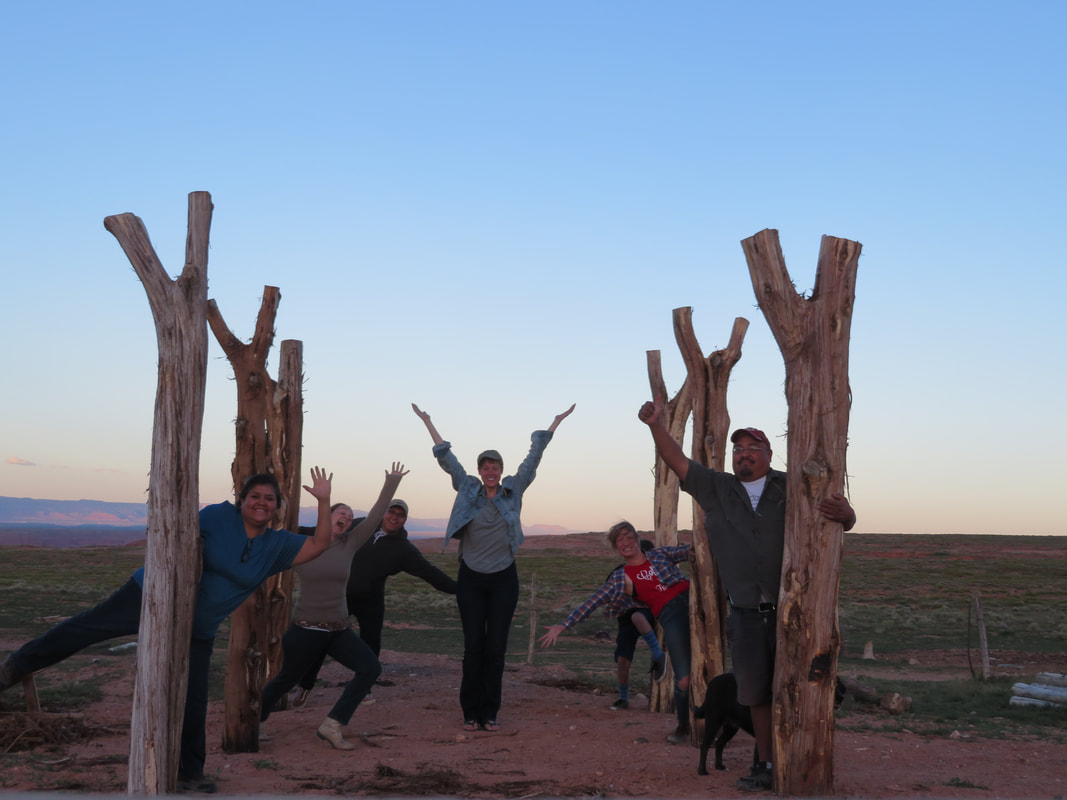
Workshop participants with newly laid cedar posts for cha'a'oh (shadehouse), carson mesa.
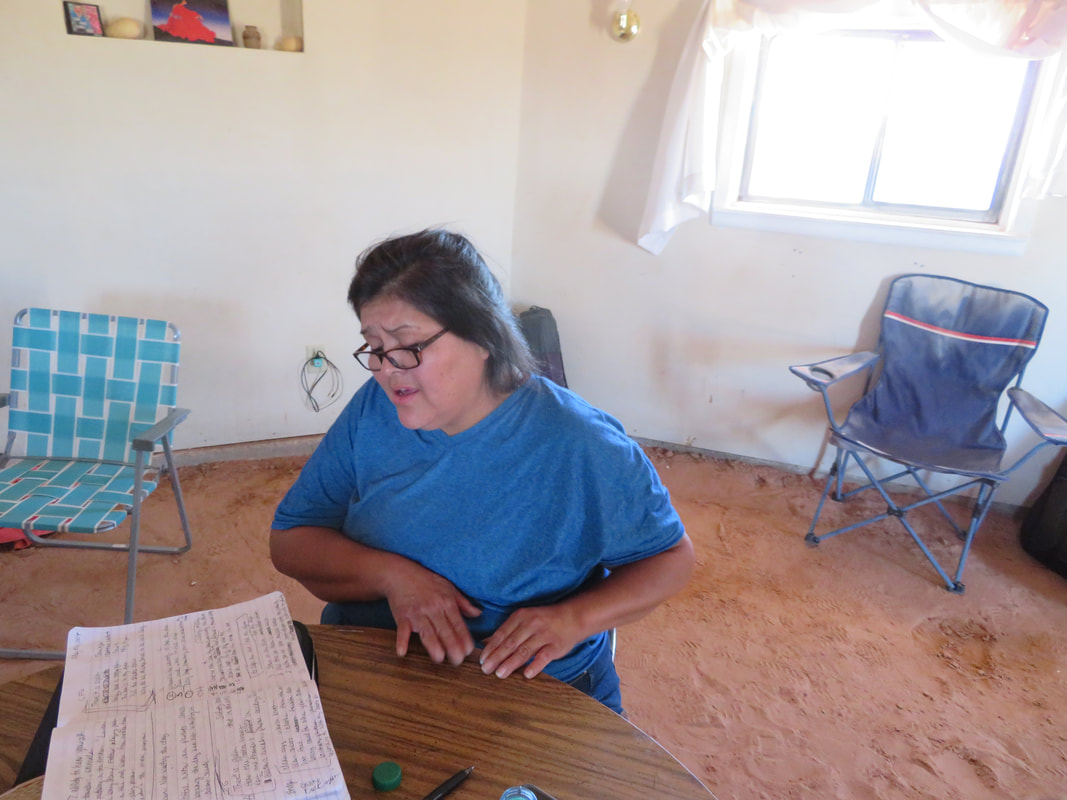
Singer/songwriter Candice Craig (Crownpoint, Navajo Nation), writing a song in the communal hooghan.
As the workshop cofacilitator, it also means carrying songs with you, from year to year, as a form of community memory, and being prepared when a community member requests a recording of a specific song written by two songwriters such as “Marks in the Sand” (Ryan Lee & Lars Simonsen, copyright 2017), heard once in live performance at the final concert one year before, and locating that song so they can listen to it on their way to work in the mornings.
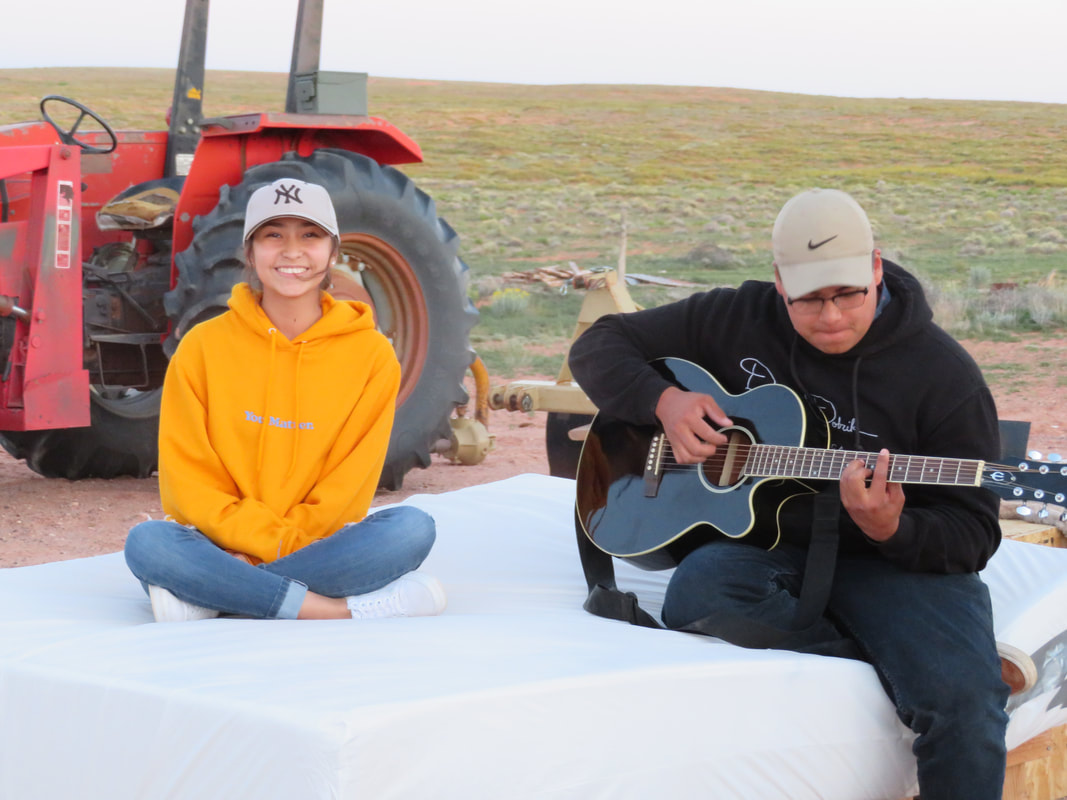
Songwriters Maya Bourque (Many Farms, Navajo Nation) and Tyler Esquivel (Lukachukai, Navajo Nation) cowrite a song.
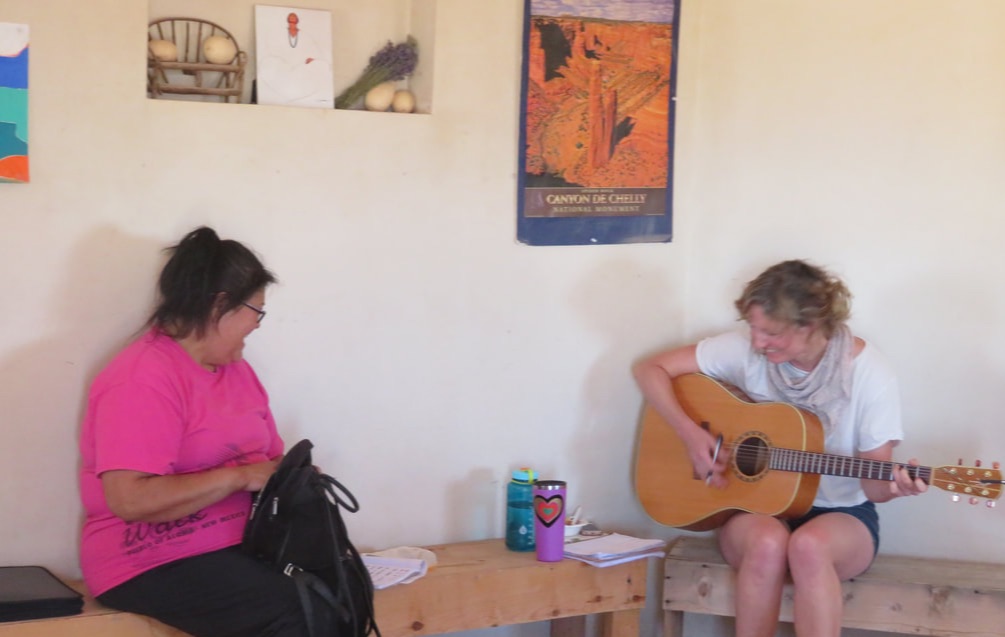
Songwriter-in-Residence, Candice Craig, and songwriter/yoga instructor Christy Cook cowrite a song.
do*If songwriting is a form of storytelling that fosters intercultural communication and the ability to feel heard, songs also offer a powerful documentation of that exchange, however brief. A three minute song contains an entire world: the worlds shared in the songs written on Carson Mesa are place-specific, embedded in the harsh beauty and startling expansiveness of this landscape, and seek to accommodate the differences participants bring to a given co-write, using these differences as fodder for tightly-crafted, culturally-informed and place-inflected songs that, by definition, could be written nowhere else in quite the same way. Ahéhee,’ t’áá anoltso.
Songs from the Rez is grateful to the late Andrew Bia family, and members of the greater Many Farms community, and the Arizona Humanities Council for their support.
*Any views expressed expressed in this blog do not necessarily represent those
of the National Endowment for the Humanities.*
Songs from the Rez is grateful to the late Andrew Bia family, and members of the greater Many Farms community, and the Arizona Humanities Council for their support.
*Any views expressed expressed in this blog do not necessarily represent those
of the National Endowment for the Humanities.*


 RSS Feed
